ADDITIONAL QUESTIONS KORRAL

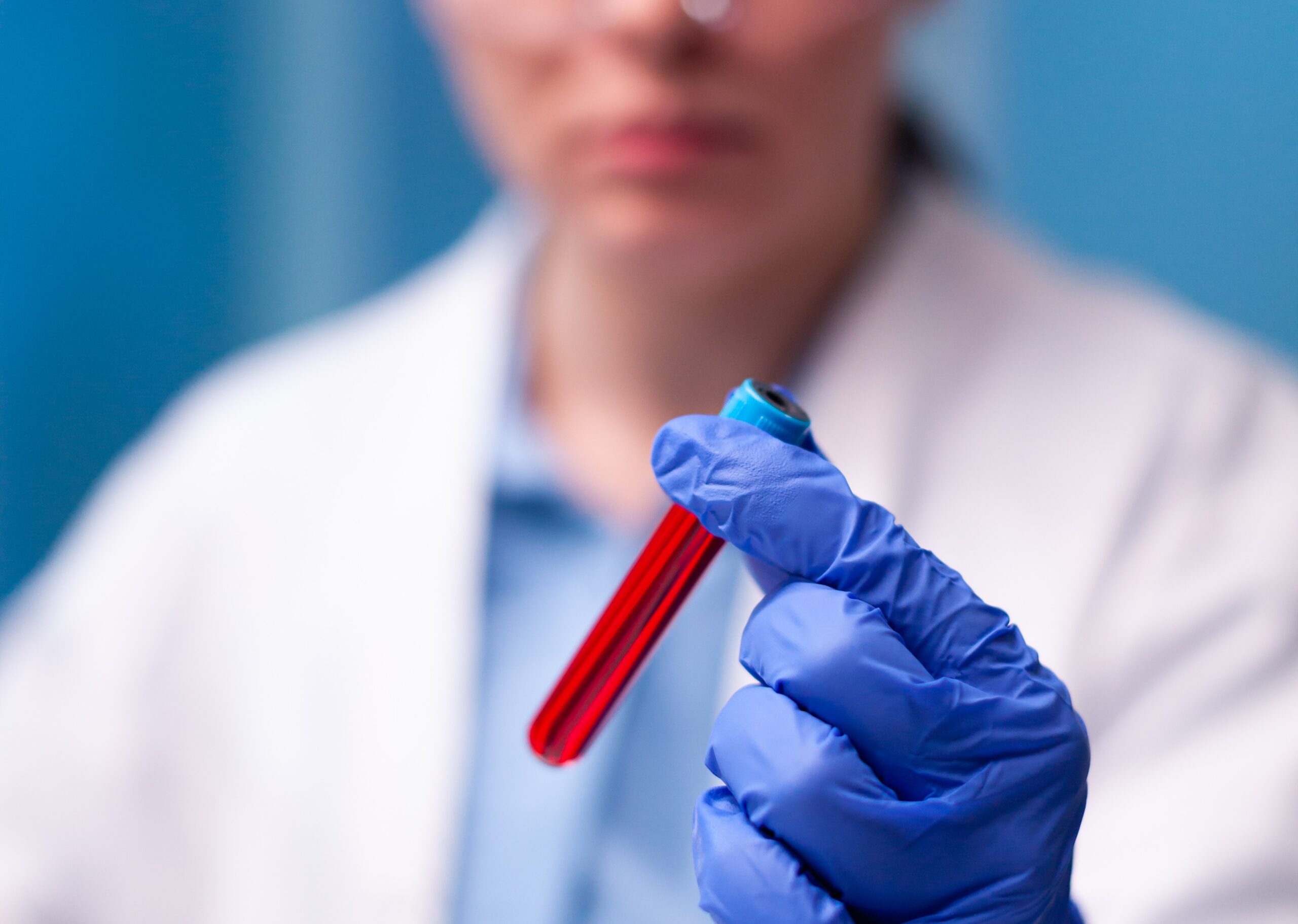
Innovative blood-based tests offer a non-invasive approach to cancer detection using a simple blood sample.
Place your order for the desired service, complete the required questionnaire, and select a suitable time and location for your blood draw via the Happy Aging or Confido website.
Blood samples are collected at Happy Aging or Confido medical centres in Tallinn or Tartu. Once your results are available, an appointment will be scheduled to discuss them with you.
During the consultation, our doctors will help you understand your test results and, if necessary, develop a plan of action.
Our Trucheck cancer tests focus on early detection and supporting personalized treatment, using the latest science and technology.
Based on scientific and clinical evidence
High Quality Standards

Blood-based tests and independent expert assessments to support informed healthcare decisions.
We have gathered some frequently asked questions that customers have regarding our services.
What are the benefits of the Trucheck analysis?
Trucheck requires only a simple blood test and makes it possible to detect cancers that standard diagnostics often miss. Unlike screenings performed for one cancer type at a time, Trucheck can detect multiple cancer types simultaneously. Early detection is associated with a higher successful treatment rate, offering patients better treatment options and earlier intervention.
What are the risks of the Trucheck analysis?
Knowing about an increased risk or cancer itself, even if it is in an early stage, can have a significant psychological impact on the patient. Patients should be aware that they still need to undergo regular screening according to established guidelines, as Trucheck is not intended to replace routine cancer screening.
Does the Trucheck test have an age limit?
Trucheck is recommended for individuals aged 40–70, but it can also be considered for those aged 35–40 if risk factors are present, such as a family history of cancer, inherited mutations, obesity, diabetes, certain viral infections, or exposure to carcinogens. For more detailed information, please contact the chatbot on the page.
Does Trucheck replace cancer screening?
Hey, Trucheck is not meant to replace screenings. It is an additional cancer test that can be done alongside routine health checks and screenings. It helps detect possible signs of cancer at an early stage, but does not replace regular examinations recommended by a doctor.
Who is the second opinion service for?
The second opinion service is intended for people who have an existing cancer diagnosis and wish to get independent confirmation of their diagnosis, treatment plan, or prognosis. The service is also suitable for those who are considering alternative treatment or want to know whether their treatment plan complies with international treatment guidelines.
Who are the Trucheck tests recommended for?
Trucheck is recommended for individuals with a family history of cancer, or those who wish to add the test to their annual health check-up. It is also suitable for individuals aged 40-70 with a high risk of cancer, who have never been diagnosed with cancer and have no current suspicion of cancer.
Who are Trucheck tests not recommended for?
Trucheck is not suitable for people who have had malignant diseases, lymphoma, leukemia, polycythemia, or multiple myeloma. It should also not be performed on pregnant women, those who have received a blood transfusion in the last 10 days, or those with immunodeficiency, such as HIV. For additional information, please contact the chatbot found on the page.
What is the accuracy of Trucheck tests?
Sensitivity 65–891 TP3T
Sensitivity is the ability of a test to correctly identify individuals who have cancer.
Specificity 96% – 99%
Specificity is the ability of a test to correctly identify individuals who do not have cancer.
How long is the waiting time to get the results?
The average waiting time is variably 2-3 weeks.
Do you also offer additional diagnostic tests for personalized treatment planning?
If necessary, we offer additional diagnostic tests that help find the most suitable personalized treatment specifically for your cancer — taking into account the genetic and molecular mutations of the tumor, the characteristics of your body, and the mechanisms of drug resistance.