
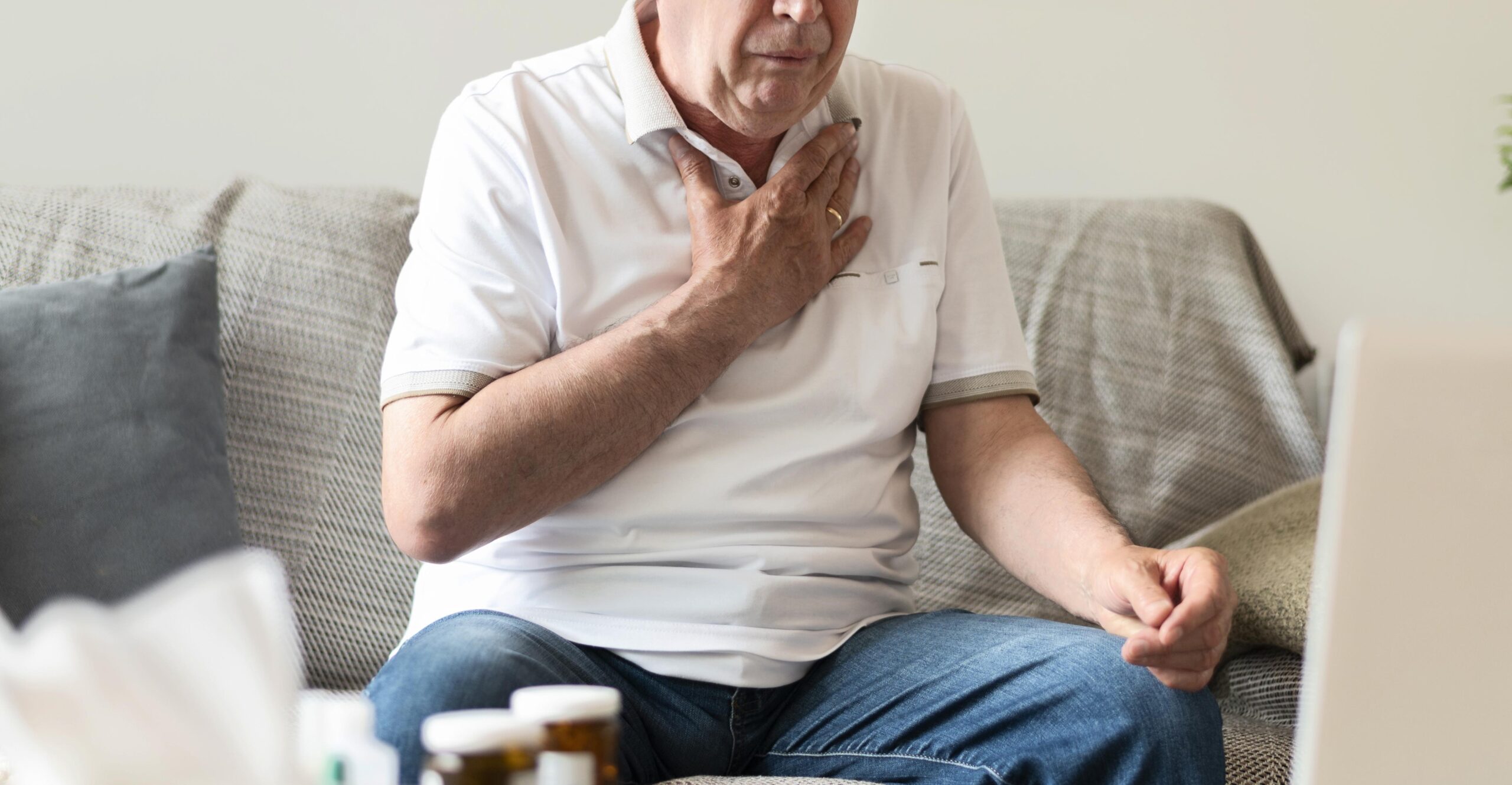
Lung cancer is the leading cause of cancer death in men and the second leading cause of cancer death in women worldwide. Although lung cancer is often associated with smoking, it is not the only risk factor. In this article, we examine the various risk factors for lung cancer and whether they can also affect people who have never smoked.
The nature of lung cancer
Lung cancer is one of the most common and serious forms of cancer in the world. In 2022, lung cancer was the most common form of cancer worldwide, with 2.5 million new cases diagnosed, accounting for 12.4% of all new cases (WHO, 2022). Lung cancer occurs when uncontrolled growing and mutated cells begin to develop in the lung cells. These cells can in turn form tumors that disrupt the normal functioning of the lungs. In the case of lung cancer, it is important to understand that it is not a single disease, but is divided into several different types.
The main types of lung cancer are non-small cell lung cancer and small cell lung cancer. Non-small cell lung cancer is the most common and accounts for approximately 85% of cases. It is further divided into subtypes, such as adenocarcinoma, squamous cell carcinoma, and large cell carcinoma. Small cell lung cancer is rarer but more aggressive, spreading rapidly to other parts of the body.
Symptoms of lung cancer can vary depending on the stage of the disease. In the early stages, symptoms may not be noticeable, but as the disease progresses, a cough, breathing difficulties, chest pain, and weight loss may occur. These symptoms can often overlap with other respiratory diseases, which is why lung cancer is frequently diagnosed at a late stage.
The role of smoking in the development of lung cancer
Smoking is the leading risk factor for lung cancer. Tobacco smoke contains over 7,000 chemicals, many of which are carcinogenic. These substances damage lung cells, causing DNA mutations that can lead to the formation of cancer cells. The effects of smoking are cumulative—the longer a person smokes, the greater the risk of developing the disease.
Statistics show that approximately 80–90% of lung cancer cases are related to smoking (Warren & Cummings, 2024). Smokers are constantly exposed to carcinogens that damage lung tissue and reduce the body's ability to repair itself. In addition, smoking increases inflammatory processes, which create a favorable environment for the growth of cancer cells.
Smoking causes long-term changes in the lungs, as a result of which the risk of cancer easily increases. In addition to carcinogens, tobacco smoke also contains substances that damage the lungs' defense system and weaken the body's ability to fight infections and inflammation. Over time, all of this can promote the development of cancer, even if a person no longer smokes.
Risk factors for non-smokers
Secondhand smoke
Second-hand smoking poses a serious health risk to non-smokers. When a person stays near smokers, they inhale the very same tobacco smoke that the smoker themselves does. Second-hand smoking is especially dangerous for children, whose lungs are still developing, and for pregnant women, as it can also affect the health of the fetus.
The effects of passive smoking can manifest over years, causing chronic respiratory irritation and lung tissue damage. It is especially dangerous in poorly ventilated rooms, where tobacco smoke lingers in the air and non-smokers continuously inhale it. Therefore, it is important to avoid staying in the same room with smokers, especially indoors where ventilation is limited.
Radon in homes
Radon, although typically present in low concentrations in nature, can accumulate in buildings in certain areas, especially those where the underground radiation source is stronger. If a large amount of radon enters a building, it can increase the risk of lung cancer over time, as the gas's decay products, such as alpha particles, damage the lung epithelium. Particular dangers are associated with poorly ventilated spaces where radon can persist in high concentrations, especially in basements and lower floors.
Several scientific studies have shown that high levels of radon in homes may be linked to the development of lung cancer, even among nonsmokers. One study, which analyzed 13 scientific articles, found a direct link between radon levels and the risk of lung cancer in homes. Based on this, it was estimated that radon exposure could be responsible for up to 2% lung cancer deaths in Europe (Dubin & Griffin, 2020).
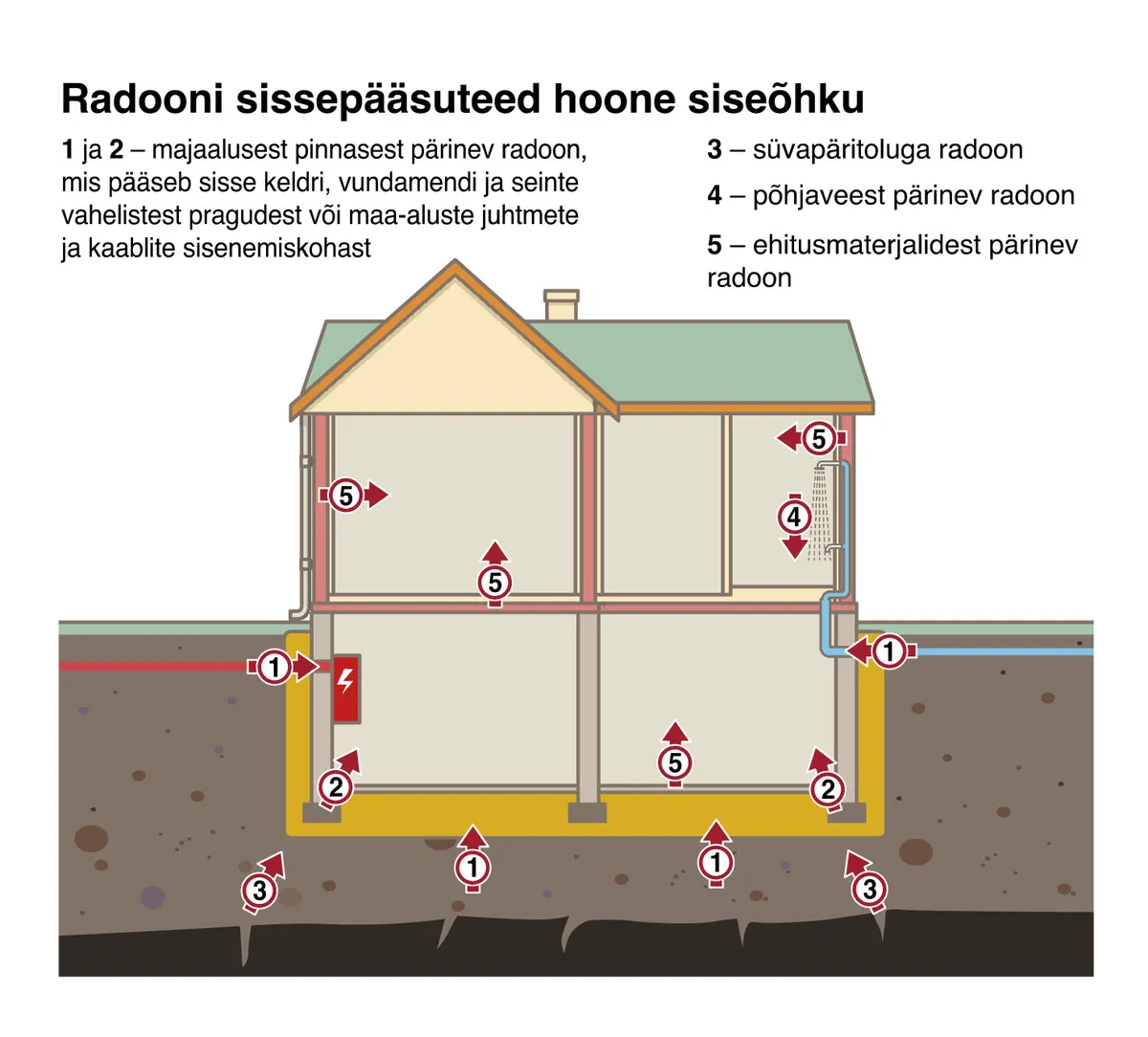
Source: Horisont / MTÜ Loodusajakiri
Work environment
The work environment can play a significant role as a risk factor for lung cancer. Certain occupations where workers are exposed to carcinogenic substances, such as asbestos, diesel exhaust, or industrial chemicals, increase the likelihood of developing the disease. For example, this affects construction workers, miners, and chemical industry workers.
The impact of air pollution
Air pollution is an important factor affecting lung health and increasing the risk of lung cancer. In urban areas where pollution levels are high, people are exposed to harmful particles such as fine particulate matter (PM2.5) and nitrogen dioxide. These substances enter the respiratory tract and damage lung tissue, causing inflammation and cellular damage.
Long-term exposure to air pollution can increase the incidence of lung cancer even among non-smokers. Fine particles penetrate deep into the lungs and can cause DNA mutations that promote the formation of cancer cells. In addition, air pollution is linked to chronic respiratory diseases, which can increase the risk of lung cancer.
Genetic risks
Genetic factors play a significant role in the development of lung cancer in nonsmokers. Studies have shown that people with a family history of lung cancer are at higher risk of developing the disease. For example, one study found that first-degree relatives had a 25% higher risk of developing any type of cancer (Dubin & Griffin, 2020).
In addition, specific hereditary mutations associated with the occurrence of lung cancer in non-smoking families have been identified. The most significant of these is the epidermal growth factor receptor (EGFR) mutation, which is more common among non-smokers. The discovery of this mutation has led to the development of precision medicine treatments, enabling better targeting and treatment of lung cancer specifically in those patients who carry this mutation.
It has also been found that genetically susceptible individuals who smoke are more likely to develop lung cancer before the age of 50. This suggests that genetic predisposition can make the effects of smoking even more harmful.
How to prevent it even as a non-smoker?
Radon level check
Measuring indoor radon levels is an important step for prevention. Special radon detectors that can be used at home are available in Estonia. If measurements show high levels, measures such as installing ventilation systems or sealing cracks in the building's foundation should be implemented.
In certain areas where there is more uranium in the soil, the radon problem is more serious. Local governments and health authorities often provide guidance and resources on how to reduce radon levels.
Avoidance of secondhand smoke
The best way to avoid second-hand smoke is to minimize exposure to smoking. When possible, you should avoid visiting places where smoking is permitted and clearly communicate to your family members and colleagues that second-hand smoke is harmful to health.
It is also important to organize the home and workplaces in a way that avoids smoke inhalation. If there is smoking in living quarters, proper ventilation and smoke-free areas must be ensured. In addition, parents and caregivers should ensure that children are not exposed to tobacco smoke, as their developing lungs are particularly vulnerable.
Healthy lifestyle
A healthy lifestyle plays an important role in the prevention of lung cancer. A balanced diet rich in fruits and vegetables helps strengthen the immune system and reduce inflammatory processes in the body. Regular physical activity improves lung health and overall well-being.
A healthy lifestyle also includes reducing stress and getting enough sleep, which support the body's natural recovery ability. Regular health checks allow for the early detection of potential health problems and the implementation of preventive measures.
Regular health check-up
Regular health check-ups play an important role in the early detection of lung cancer. In many cases, clear symptoms do not appear in the early stages of the disease. Therefore, health check-ups help identify potential changes in the lungs before they become more serious. Early diagnosis improves treatment options and increases the likelihood of survival.
Doctors recommend that people in risk groups, such as smokers or those with a family predisposition, undergo regular lung examinations. One of the most common methods is low-dose computed tomography (LDCT). This method makes it possible to detect small tumors that might otherwise go unnoticed. In addition, doctors may use X-rays and blood tests to evaluate the patient's general health condition.
In addition to traditional examination methods such as computed tomography and X-rays, modern technologies also offer new opportunities for the early detection of lung cancer. One such development is blood tests that can detect the presence of cancer cells even before symptoms are felt. These blood tests can detect elevated levels of certain biomarkers, indicating that something unusual is happening in the body. Therefore, such tests can be a useful addition to regular health checks, providing greater reassurance and enabling timely intervention.
Lung cancer is not just a smoker's disease. Non-smokers can also be at risk if they are exposed to risk factors such as secondhand smoke, radon, or air pollution. Understanding the risks and applying preventive measures help reduce the likelihood of illness. In addition, regular health check-ups and early diagnosis improve potential treatment outcomes.