Non-melanoma skin cancer is a growing concern worldwide, being one of the most common types of cancer. The development of this disease is closely linked to solar UV radiation, the effect of which on the skin can cause uncontrolled cell division and the formation of tumors. Unlike melanoma skin cancer, which is more aggressive, non-melanoma skin cancer is typically slower growing and has a lower metastatic potential, but it can still cause serious health effects.
What is skin cancer?
Skin cancer is a disease in which skin cells begin to divide uncontrollably and form tumors. It can develop in different layers of the skin, but most commonly occurs in areas that have received a lot of sunlight. Non-melanoma skin cancer is one of the two main types of skin cancer, characterized by slower growth and a lower likelihood of spreading to other parts of the body.
Types of non-melanoma skin cancer
Non-melanoma skin cancer is mainly divided into two types: basal cell carcinoma and squamous cell carcinoma. They make up the majority of skin cancer cases.
Basal cell carcinoma
Basal cell carcinoma is the most common type of non-melanoma skin cancer. It develops in the deeper layers of the skin, in the basal cells, which are responsible for producing new skin cells. It typically appears on sun-exposed areas, such as the face, neck, and hands. Basal cell carcinoma may look like a small translucent bump on the skin surface or a sore that does not heal. Although this skin cancer extremely rarely spreads or metastasizes to other parts of the body, if left untreated, it can cause extensive damage to surrounding tissues.
Lamellar carcinoma
Squamous cell carcinoma is the second most common type of non-melanoma skin cancer. It develops in the superficial layers of the skin, in the squamous cells that make up the epidermis. Squamous cell carcinoma often manifests as reddish patches, rough nodules, or ulcers that may also bleed. This form of skin cancer can spread, or metastasize, to other organs, especially if the cancer is not detected early. It most frequently occurs in areas that have received long-term UV radiation.
Main risk factors
Several risk factors play an important role in the development of non-melanoma skin cancer. Knowing them helps people better assess their risks and take necessary preventive measures.
UV radiation is the primary cause of non-melanoma skin cancers, such as basal cell and squamous cell carcinomas. Studies have shown that up to 95% of keratinocyte skin cancers are caused by UV radiation. People with fair skin, such as Northern Europeans, are particularly susceptible to damage from UV radiation because their skin contains less melanin. UVB radiation damages the DNA of skin cells, increasing the risk of mutations that can lead to cancer (Garbe et al., 2024).
Genetics plays an important role in the development of skin cancer. If family members have been diagnosed with skin cancer, the risk for other family members also increases. Certain genetic mutations can make the skin more susceptible to the harmful effects of UV radiation, thereby increasing the likelihood of developing skin cancer. For example, mutations in certain genes responsible for DNA repair can alter the ability of skin cells to repair damage caused by UV radiation. In addition, some hereditary diseases, such as xeroderma pigmentosum—a rare genetic disorder where the ability of skin cells to repair DNA damage caused by UV radiation is impaired—can significantly increase the risk of skin cancer.
Previous skin damage, such as sunburns or prolonged exposure to the sun, significantly increases the risk of developing skin cancer. UV radiation causes DNA damage in skin cells, which can accumulate over time and lead to cancer. Repeated or severe sunburns are particularly dangerous because they damage the skin more deeply and can permanently alter cells. In addition, visible changes in the skin, such as pigmented spots or uneven skin tone, can be early signs of prior UV damage that may later develop into skin cancer. Prior skin damage can also reduce the skin's ability to recover, making it more sensitive to further solar radiation and other environmental factors.
How to recognize skin cancer?
Pink or reddish spots
Non-melanoma skin cancer can present as pink or reddish patches that do not heal or disappear over time. These patches may be rough, scaly, or even itchy. They typically appear on areas that have received a lot of sunlight, such as the face, neck, or hands. If such spots persist or grow larger over time, it may indicate the development of skin cancer.
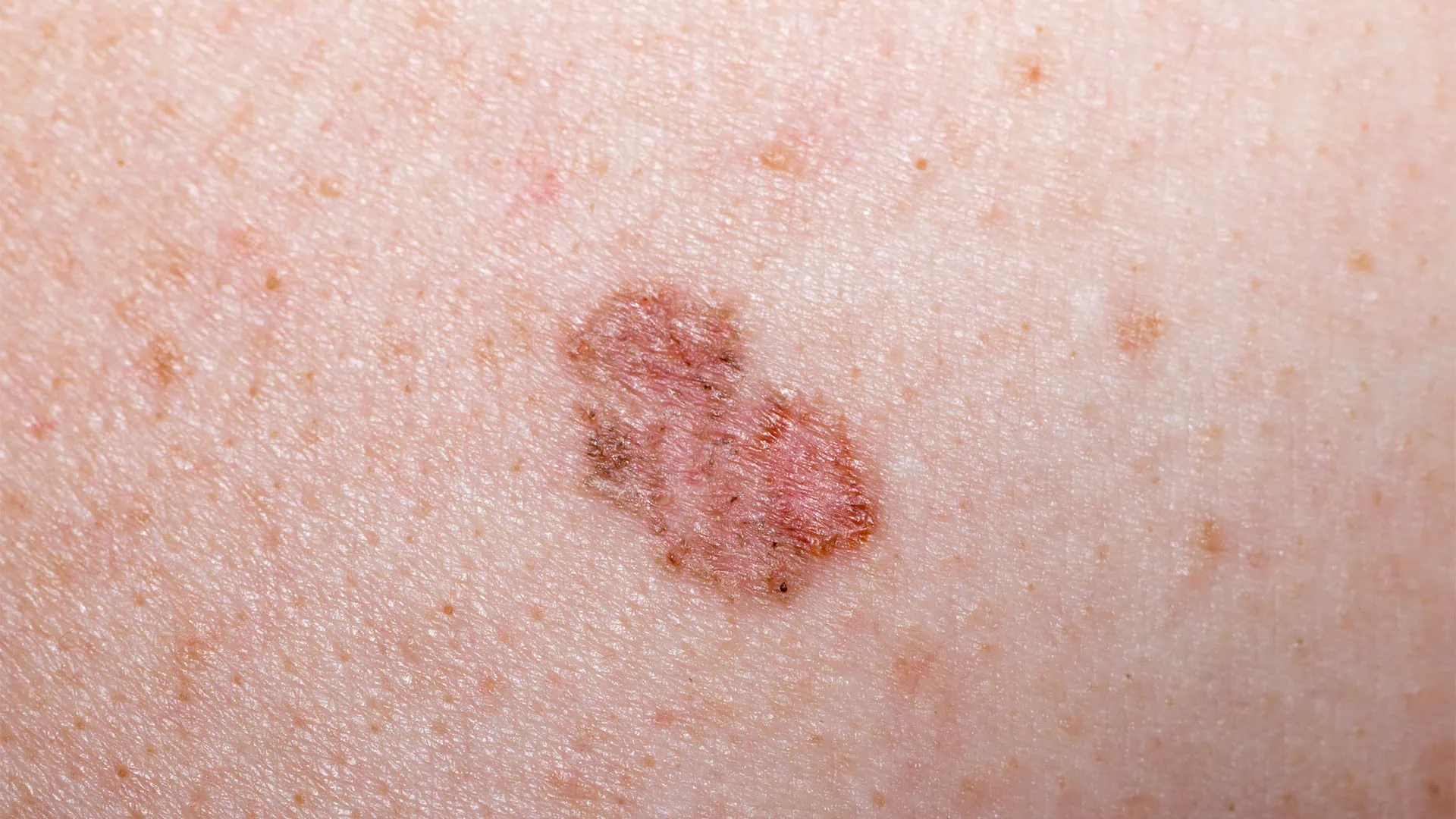
Source: Alpine Biomedical
Knots and ulcers
Another common symptom is the development of lumps or ulcers on the skin. The lumps may be translucent, pearly, or reddish. Sometimes they can bleed or become painful. Sores that do not heal or tend to recur in the same spot may also be a sign of skin cancer. Such changes require attention, especially if they appear on sun-exposed areas.
When should you see a doctor?
A doctor should be consulted immediately if skin changes appear that do not heal or seem unusual. If a patch, nodule, or sore persists for more than a couple of weeks or changes over time, it is important to have it checked by a specialist. A doctor should also be consulted if new growths appear on the skin that differ from other moles or patches. Early diagnosis improves treatment outcomes and reduces the risk of complications.
Preventive measures
The importance of sun protection
Sun protection is an important step in skin cancer prevention, as UV radiation is the main cause of skin cancer. It is especially important to protect the skin from intense sunlight, which is particularly dangerous at midday when the UV index is high. Recommended protection measures include seeking shade, wearing clothing, a wide-brimmed hat, and sunglasses, and using sunscreen with a high SPF. Sun protection helps reduce skin exposure to harmful UV rays and thereby prevents the development of skin cancer. Special attention should be paid to children and outdoor workers, who are at increased risk due to the harmful effects of UV radiation.
Regular skin check
Regular skin checks help detect changes early that may indicate skin cancer. People should monitor their skin once a month, paying special attention to moles, spots, and nodules. Any changes, such as alterations in size, color, or shape, require attention. Visiting a doctor at least once a year is recommended, especially for those with an increased risk of developing skin cancer. A dermatologist can conduct a thorough examination and, if necessary, take samples from suspicious areas.
Healthy lifestyle
A healthy lifestyle supports skin health and reduces the risk of skin cancer. A balanced diet rich in antioxidants helps protect the skin from free radical damage. Water keeps the skin hydrated and improves its elasticity. Quitting smoking and limiting alcohol consumption help maintain skin health. Physical activity improves blood circulation and strengthens the immune system, which helps the body fight harmful effects.
Diagnosis and treatment methods
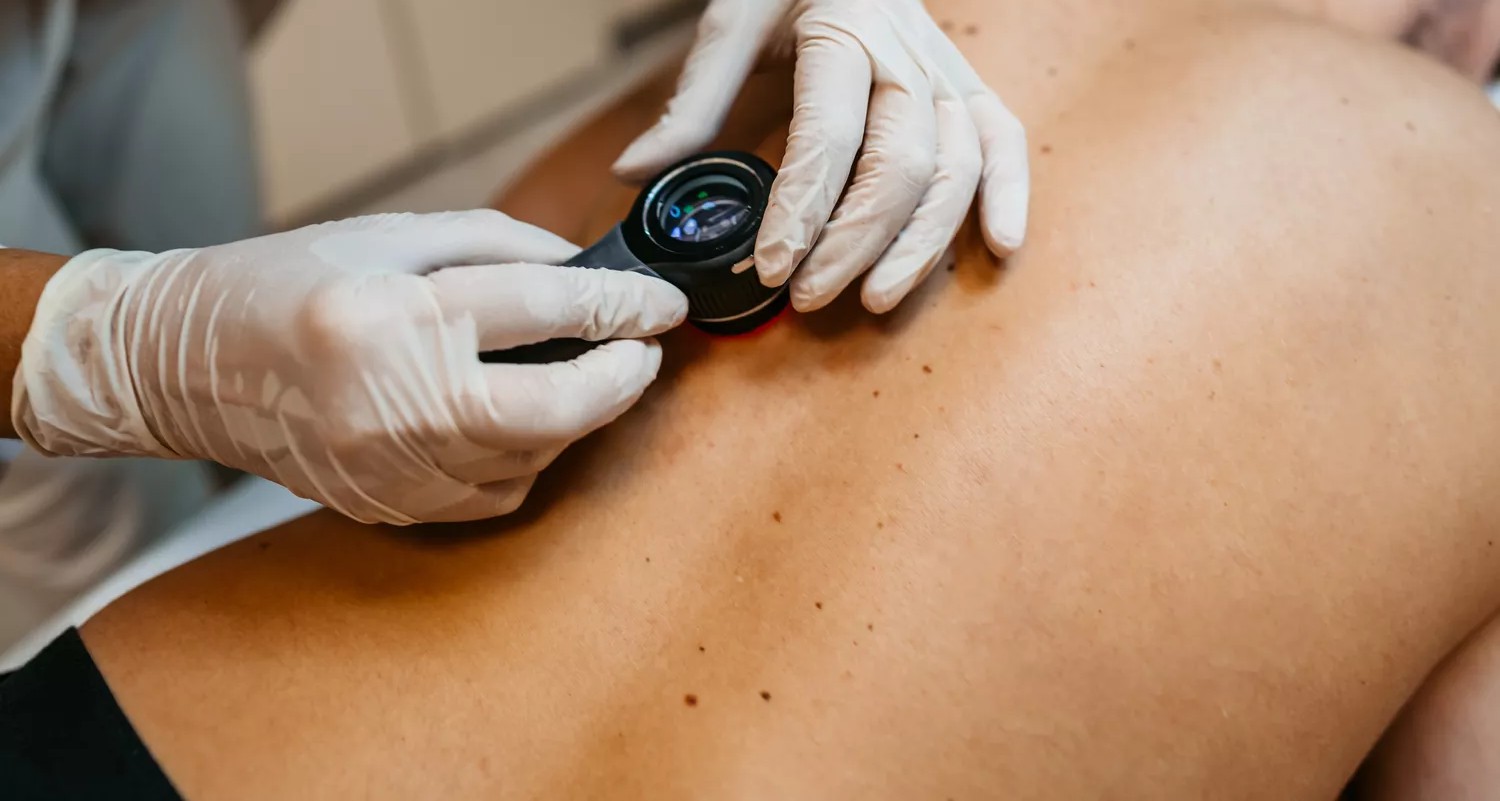
Diagnosis of non-melanoma skin cancer begins with a thorough skin check. A dermatologist examines suspicious areas using a dermatoscope, which allows them to see the deeper layers of the skin. If the doctor finds unusual changes, a sample, or biopsy, is taken. During the biopsy, a small piece of the affected tissue is removed and analyzed in a laboratory. This procedure confirms whether it is cancer and determines its type.
Treatment methods depend on the type, size, and location of the tumor. Surgical removal is most commonly used. Surgical treatment involves removing the affected tissue and its surrounding area to ensure the removal of all cancer cells. Another common treatment method is radiation therapy. It is used in cases where surgical intervention is not possible or when the tumor is located in a hard-to-reach area. Radiation therapy destroys cancer cells without damaging surrounding tissues. In some cases, cryotherapy may also be used, during which cancer cells are frozen with liquid nitrogen. This method is suitable for treating smaller tumors. Additionally, topical medications such as creams and gels are available that stimulate the immune system to fight against cancer cells.
Alongside traditional cancer screening methods, there are also innovative blood-based cancer tests capable of detecting multiple cancer types simultaneously. These tests use circulating tumor cells (CTCs) to analyze the molecular footprint of the tumor mass, precisely determining which organ or tissue the tumor originates from. Such tests offer highly accurate results and enable the detection of tumors that might go unnoticed by traditional methods. An exceptional advantage of these tests is that they can detect cancer at an early stage, even before symptoms appear, which increases the likelihood of treatment success and the survival prognosis. Tests with high sensitivity and specificity help guide further examinations and reduce diagnostic errors.
Skin cancer is a disease caused by uncontrolled cell division. Prevention and early detection are important factors that help ensure better treatment outcomes. One of the main risk factors is solar UV radiation, but genetic factors also play a role. Preventive measures, such as applying sun protection and regular skin checks, can significantly reduce the risk of skin cancer. In addition to traditional methods, there are also innovative blood tests capable of detecting multiple cancer types, enabling early detection and precise treatment.