

Cervical cancer is one of the most common malignant tumors in women, and almost all cases are associated with high-risk human papillomavirus (HPV) infection. HPV is a widespread virus that, in the case of a persistent infection, can cause abnormal cellular changes and lead to cancer. Fortunately, cervical cancer is largely preventable thanks to HPV vaccination and regular screening. In this article, we discuss the nature of cervical cancer, its connection to HPV, and effective prevention measures that help reduce the risk of the disease.
What is cervical cancer?
Cervical cancer is a malignant tumor that develops from the cells of the cervix. The cervix is a narrow area connecting the lower part of the uterus to the vagina and serves as an essential part of the female reproductive system. The development of cervical cancer typically takes place over several years, during which normal cervical cells undergo abnormal changes known as dysplasia or cervical intraepithelial neoplasia (CIN).
Histologically, this form of cancer is divided mainly into two types: squamous cell carcinoma and adenocarcinoma. Squamous cell carcinoma accounts for the majority of all cervical cancer cases and develops from squamous epithelial cells that cover the outer part of the cervix. Adenocarcinoma, which is less common, arises from the glandular cells of the cervix located in the endocervix, or the cervical canal. Mixed forms and other rarer types of tumors also occur less frequently.
The development of cervical cancer is a slow process, which allows for preventive intervention if detected at an early stage. As the tumor develops, it can spread beyond the uterus, affecting surrounding tissues, lymph nodes, and distant organs.
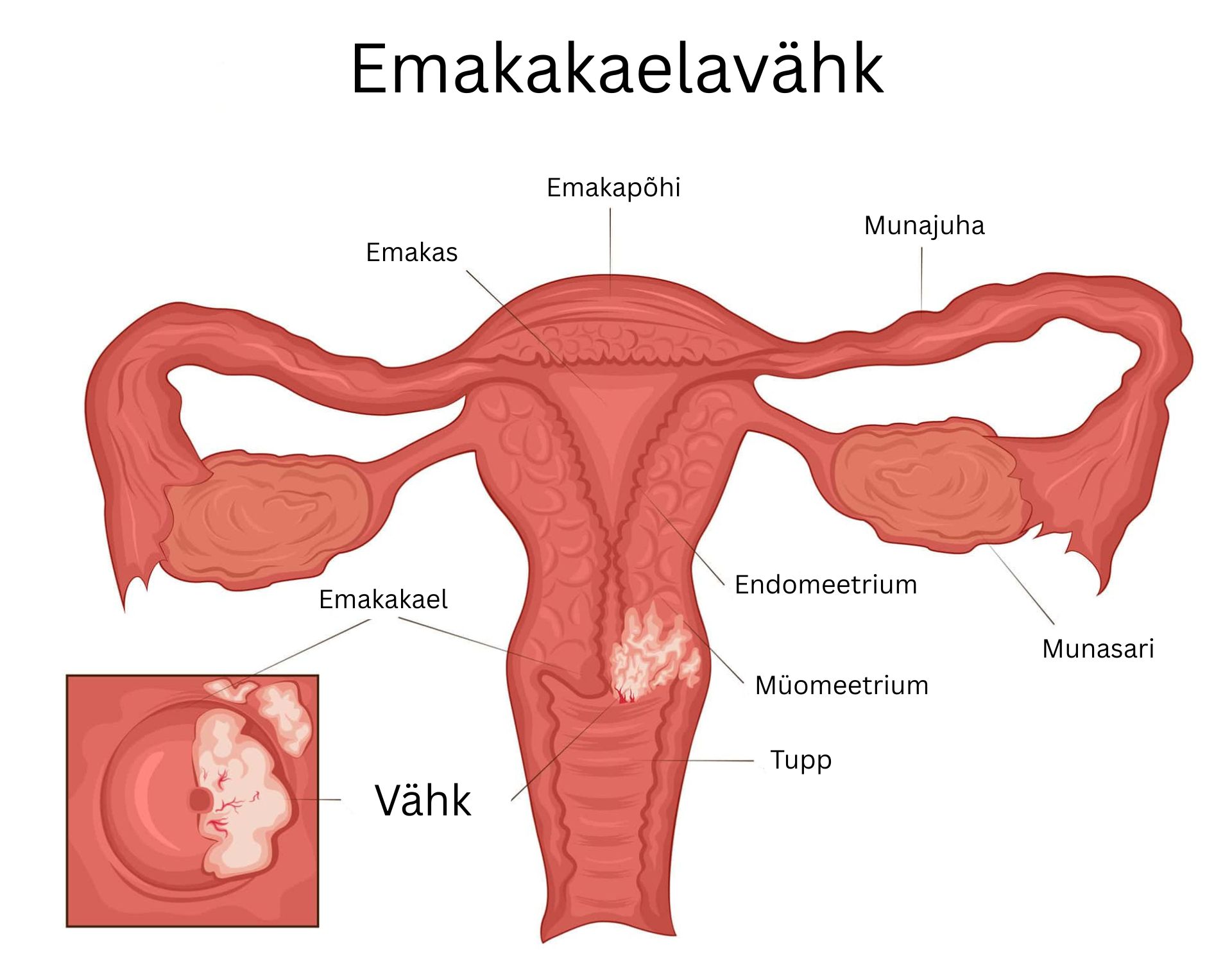
Source: Ezra Clinic
What is HPV, or human papillomavirus?
HPV, or human papillomavirus, is one of the most common sexually transmitted viruses in the world. This virus affects skin and mucosal cells, often causing warts or other changes to form. There are over 200 different strains of HPV, some of which are low-risk and cause benign changes, such as skin warts. High-risk strains, such as HPV-16 and HPV-18, however, are linked to the development of malignant tumors, including cervical cancer.
HPV is transmitted mainly sexually, including through skin and mucous membrane contact. The virus can infect both women and men, although its health impacts are often more serious in women. Most people are exposed to HPV during their lifetime, but many are unaware of it because the virus may not cause any symptoms. A strong immune system can often eliminate the virus from the body, but in some cases, it may persist and cause changes in cells.
Why is HPV the leading cause of cancer?
Cervical cancer is the most common HPV-related disease. Approximately 99.7% of cervical cancer cases are caused by infection with high-risk human papillomavirus (HPV) (Okunade, 2020). HPV, or human papillomavirus, is the main cause of cervical cancer, as this virus directly affects the genetic material of cervical cells. High-risk HPV strains, such as HPV-16 and HPV-18, can cause DNA damage, which in turn leads to the uncontrolled division of cells. This process creates a favorable environment for the development of precancerous conditions and ultimately malignant tumors.
The virus spreads mainly through sexual contact, which makes it very common. Most people are exposed to HPV during their lifetime, but not everyone develops cervical cancer. A strong immune system can often eliminate the virus before it can cause permanent changes in the cells. However, if the virus remains in the body for a longer period, the risk of cancer increases significantly.
HPV also causes cervical cancer because the virus can go unnoticed. In many cases, infected individuals have no symptoms, which allows the virus to persist in the body for years. During this time, cervical cells can progress to a precancerous state without the person being aware of it.
Symptoms
Early-stage cervical cancer may not cause noticeable symptoms. As the disease progresses, several symptoms may appear that indicate a potential problem.
Most common symptoms:
Irregular bleedingBleeding between periods, after intercourse, or during menopause can be a warning sign.
Unusual dischargeVaginal discharge may change in odor, color, or amount. Sometimes the discharge may contain blood.
Pelvic painPersistent or recurring pain in the lower abdomen or pelvis may indicate a problem.
Discomfort during intercoursePain or discomfort during sexual intercourse may be related to changes in the cervix.
Severe symptoms:
FatigueConstant energy deficiency can be a sign of the spread of disease.
Weight lossUnexplained sudden weight loss can indicate a serious health problem.
Swelling of the legsIf cancer spreads to the lymph nodes, it can cause leg swelling.
Prevention opportunities
Prevention of cervical cancer is possible thanks to effective measures that help reduce the risk and detect the disease at an early stage. The main prevention options include HPV vaccination, regular screenings, and cancer tests.
HPV vaccination
The HPV vaccine is one of the most effective ways to prevent cervical cancer. The vaccine protects against high-risk HPV strains, including HPV-16 and HPV-18, which cause most cases of cervical cancer. Vaccination is most effective when administered before the onset of sexual activity, usually in adolescence.
Screenings
Regular screenings help detect cervical cell changes before they develop into cancer. In Estonia, women aged 30–65 are invited for cervical cancer screening every five years. The screening involves an analysis of cervical cells, also known as a Pap smear.
Cancer tests
A modern blood test that detects circulating tumor cells (CTCs) enables the early detection of cervical cancer. The analysis determines the origin of the tumor with high accuracy, helping to guide further examinations and reducing unnecessary diagnostic procedures. This non-invasive and precise method offers an effective way for the early detection of cancer even in asymptomatic individuals, thereby improving treatment outcomes and survival rates.
Cervical cancer is a serious, yet largely preventable disease, primarily caused by high-risk HPV infection. Regular screening, HPV vaccination, and cancer tests significantly help reduce the risk of the disease by allowing changes to be detected at an early stage. Modern diagnostic methods and prevention programs are an important step in reducing the incidence of cervical cancer, offering women better opportunities for early detection and effective treatment.